


There is a particular kind of tired that coffee does not solve. It sharpens you quickly, but the sharpness comes with an edge. The energy rises fast and leaves just as abruptly, often taking your focus and calm with it. If you have ever felt wired yet strangely unfocused by mid-afternoon, you understand the pattern.
Tea follows a different arc. The energy builds more gradually and tends to feel steadier across the day. It is not simply a matter of having less caffeine. It is about how the plant carries it.
Not all caffeine is created equal. Coffee delivers somewhere between 95-200mg of caffeine per cup. It hits hard and fast, flooding your nervous system all at once. This creates a sharp spike that your brain reads as urgency. That spike can come with a cost: jitters, racing thoughts, and a noticeable drop in energy once caffeine levels decline. More caffeine doesn't mean better energy.

Tea takes a different path. Most quality teas typically deliver between 25 and 50mg of caffeine, so your body absorbs it gradually instead of all at once. But here's what most people miss: tea isn't just delivering less caffeine. It's delivering smarter caffeine.
The best tea for energy isn't about competing with coffee's intensity. It's about a better kind of energy: smooth, sustained, and aligned with how you want to feel.
The Five Best Energy Teas, Ranked
Not all energy teas deliver the same results. We ranked them by caffeine content, theobromine partnership, flavor profile, and sourcing transparency.
-
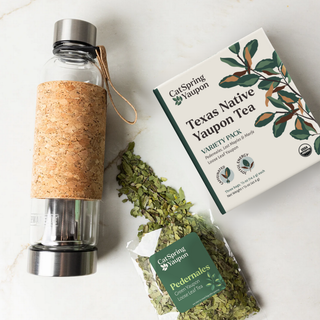
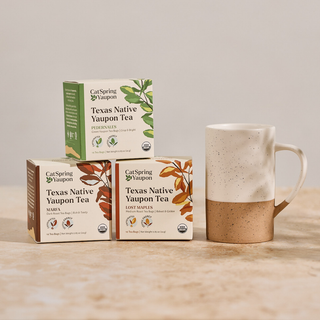
Yaupon Tea (25-40mg caffeine per cup) is America’s only native caffeinated plant. Yaupon has been used to support energy and focus for centuries. It naturally contains caffeine and theobromine, creating a smooth, sustained lift rather than a sharp spike. The flavor is clean and earthy, with one distinct advantage: yaupon is notably difficult to oversteep, maintaining a balanced, low-bitterness profile even with longer brew times. Learn more about yaupon varieties for sustained energy and focus.
-
Matcha (25-70mg depending on grade) drinkers report calm alertness and focus. You're consuming the entire leaf in powder form, so you get all the nutrients. Matcha provides a gradual energy boost.
-
Black Tea (40-70mg per cup) is a reliable classic. It's bold and malty, familiar to coffee drinkers. The natural tannins in black tea contribute body and structure, shaping an energy experience that feels steadier than coffee’s quick rise. English Breakfast and Assam varieties offer the boldest profiles.
-
Pu-erh (30-100mg depending on age) is fermented complexity. It develops an earthy, wine-like character, supports digestion, and boosts energy levels. This is more of an acquired taste, but worth exploring.
-
Yerba Mate (85mg per cup) is a South American tradition. It delivers a strong energy boost, comparable to coffee, for people who need that lift. Yerba mate contains caffeine alongside theobromine and theophylline, a trio of naturally occurring methylxanthines that contribute to its intensity. Sensitive individuals can still experience jitters with yerba mate.
Yaupon delivers genuine energy without the harsh crash. Plus, it's grown right here at home.
How Caffeine and Theobromine Create Calm Alertness
Coffee is a sharp spike. Tea is a rolling hill of energy. Understanding why means understanding two compounds: caffeine and theobromine.
Caffeine is a fast-acting stimulant. It blocks adenosine receptors in the brain, increasing alertness and reducing fatigue. In coffee, caffeine acts quickly and intensely, which can create a rapid surge of energy — and for some people, jitters or a crash several hours later.
Theobromine works differently.
Found in higher concentrations in cacao and certain Ilex species such as yaupon and yerba mate, theobromine is a milder, longer-lasting methylxanthine. Theobromine has milder central nervous system stimulation and a longer half-life than caffeine, which may contribute to a steadier experience of alertness.
When caffeine and theobromine occur together, they create a complementary effect:
-
Caffeine sharpens alertness and focus
-
Theobromine supports a smoother, more gradual energy curve
Instead of a sudden spike, the experience tends to feel steadier and more sustained.
Research shows that theobromine has milder neurological stimulation than caffeine and a longer half-life. That difference can help explain why some tea drinkers report feeling alert but not overstimulated.
Coffee typically peaks quickly and fades within 3–4 hours.
Tea often rises more gradually and may sustain energy longer, reducing the abrupt mid-afternoon drop.
Tea’s advantage isn’t simply about having less caffeine.
It’s about how caffeine interacts with other naturally occurring compounds — including theobromine — to create a more balanced energy experience.
That’s why many people describe tea’s effect as focused, calm, and steady rather than intense and fleeting.
How to Choose an Energy Tea for Your Body
Energy is personal, and the right tea depends on how your body responds to stimulation. Now that you know your options, how do you actually choose? Start by understanding three things about yourself: your caffeine sensitivity, your flavor preferences, and what your values are when you buy.
If you prefer gentler mornings or are sensitive to caffeine, lighter teas or lighter yaupon roasts provide enough lift to feel alert without overwhelming your system. If you enjoy a stronger cup but want to avoid the crash, black tea or medium-roast yaupon offer balance. If caffeine rarely disrupts your sleep and you prefer intensity, yerba mate or higher-grade matcha may suit you.
Flavor preferences determine what you'll actually drink consistently.
-
If you love coffee, you'll gravitate toward dark-roasted yaupon or full-bodied black tea.
-
If you've enjoyed green tea, light-roasted yaupon or matcha will feel natural.
-
If you're adventurous, pu-erh or yerba mate offer complexity.
-
The best energy tea is the one you'll drink every day. Black tea is bold; green tea is gentle.

Your values matter when sourcing your tea. Yaupon supports North American regenerative ecosystems. Matcha has centuries of cultural tradition, as evidenced by authentic Japanese sources. Black tea and pu-erh should come from estates where you can trace the sourcing. Yerba mate may raise sustainability concerns, so look for fair trade certification.
Brewing variables change your experience.
-
Hotter water pulls more caffeine, cooler water less.
-
Steeping for 2-3 minutes provides light extraction; 6-7 minutes provides maximum extraction.
-
Freshly harvested tea, within 6-12 months, maintains its potency better than older stock.
The best energy tea is the one you'll actually drink, aligned with your taste and energy needs. Check our brewing guide for detailed instructions.
Making the Switch from Coffee to Tea Without Crashing
If you're a coffee drinker considering moving to tea, let's be honest: the transition is real. You'll experience some withdrawal symptoms, but they're temporary and manageable. Understanding what to expect changes everything.
Here's the timeline:
-
Days 1-2, your ritual shifts.
-
Days 3-5 are the hardest, when peak caffeine withdrawal symptoms typically arrive. You might experience headaches, fatigue, or irritability.
-
By week 2, you're in your new normal.
The key to an easier transition is not going cold turkey. Instead, gradually replace your morning coffee with tea over 1-2 weeks. Start with one cup of coffee and one cup of tea. Then swap a second cup. Give your body time to adjust instead of shocking your system.
What helps during the transition:
-
Stay hydrated with extra water, as caffeine withdrawal can partly be a dehydration response.
-
Be intentional during your ritual shift. The psychological comfort of your routine matters as much as the caffeine.
-
Brew a stronger tea or choose a dark-roast yaupon to feel more substantial.
-
Include magnesium-rich foods such as leafy greens, nuts, and seeds, as your body is adjusting its cortisol patterns.
-
Give yourself grace if you're irritable or tired. You're undergoing a significant physiological change.
Sleep quality often improves within the first week because afternoon caffeine no longer disrupts your evening. Energy mid-afternoon might stabilize faster because you're no longer riding the spike-and-crash cycle. The shift to tea energy feels calmer, less like fighting for focus and more like focus is naturally available.
By day 10, you'll know if tea is your new energy source.
What Tea Is Good for Fatigue?
If you're experiencing persistent fatigue, choose the right tea variety for your needs. Fatigue can come from poor sleep, dehydration, blood sugar crashes, or chronic stress.
For mornings when you're dragging, black tea or dark yaupon tea delivers a genuine energy boost without overstimulation and contains antioxidants that support health. For afternoon fatigue, green yaupon tea or white tea provides gentle energy without disrupting sleep.
If fatigue stems from stress or anxiety, herbal teas such as peppermint or ginger support relaxation while keeping you alert. Matcha offers a concentrated yet steady lift, making it a thoughtful option for those who enjoy focused energy without intensity.
The key is matching your tea to your fatigue pattern. Morning fatigue is often relieved by black tea or yaupon tea. Afternoon slumps respond better to green yaupon tea. Stress-related fatigue benefits from herbal teas and matcha. Stay hydrated throughout the day as well. Dehydration is often the real culprit behind what feels like fatigue.
Give any new tea at least a week before deciding if it works. Your body needs time to adapt. Some teas provide an energy boost that builds over time. Start with a high-quality tea that aligns with your fatigue pattern, and give it a full week before deciding.

Better Energy Starts with Choice
Energy shapes your day more than you may realize. The cup you reach for in the morning influences your mood, your focus, and how you arrive in the evening.
Start where you are. If you're a coffee drinker, give yourself a week or two to transition. If you're exploring tea, commit to one variety for seven days. Energy is personal. What works for your friend might not be your perfect cup.
Pay attention to how different teas make you feel. Notice which ones support your focus. Notice your sleep quality, your afternoon mood, and whether your headaches improve. Your body will tell you which tea is actually working.
Every cup is an opportunity to support your body in different ways. The best energy tea is the one you'll actually drink consistently, aligned with your values and your body's unique needs.
Ready to find your perfect energy tea? Shop our collection of premium energizing teas today and experience sustained focus without a crash.
One cup at a time.


