

The menopause years ask a lot of your body. Hot flashes, night sweats, restless sleep, shifting moods are real, and the right daily rituals can make a genuine difference. Tea has been a steady, grounding support for centuries, and there are good reasons why certain herbs and menopause teas keep showing up in that conversation.
What follows is a plain-spoken look at seven teas worth having on hand during menopause. Some support relaxation. Some support hormonal balance. One is a wildly smooth, naturally sweet native American plant most people have never tried. All of them earn their place here.
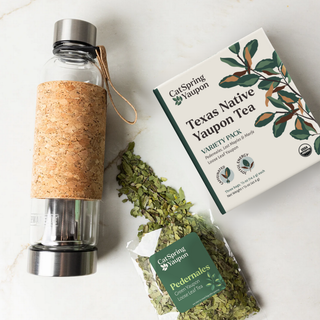
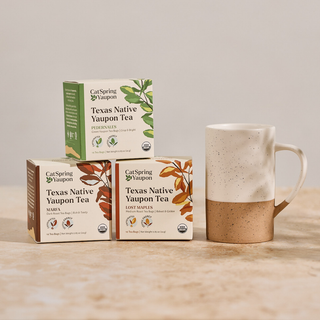
If you want to explore right away, we have a collection of yaupon teas for everyday wellness in tea bags, loose-leaf, or iced-tea pouches.
Best Teas for Menopause Symptoms

1. Yaupon Tea
Yaupon is the only naturally caffeinated plant native to North America, per guidance from the NPS. It has unique properties that traditional teas and herbal tea blends lack. One of these benefits is polyphenols, powerful antioxidants that help reduce oxidative stress, which occurs during menopause.
Improving immune function and helping fight aging, polyphenols in yaupon tea can help you feel steadier through the hormonal shifts of this season, along with menopause symptoms. In general, yaupon has about 25 mg of caffeine, which is less than a typical cup of coffee (about 90 mg), according to FDA data.
Benefits:
-
Reduce signs of aging by using polyphenols and flavonoids, which help prevent oxidative stress, a key driver of aging.
-
Improve your mood with L-theanine, which increases GABA release in the brain and has a relaxing, anxiety-relieving effect.
-
Keep your skin plump and wrinkle-free with rutin that helps the body produce collagen and utilize vitamin C, major components of your skin.
Side Effects: May cause sleeplessness due to caffeine if large amounts of yaupon are consumed all at once.
Try our CatSpring Yaupon tea to support your daily wellness routine during menopause. It's organic, non-GMO, kosher, sustainably grown, and naturally caffeinated.
2. Valerian Root
This pretty pink root has been used to help with a variety of ailments and health benefits. For those navigating symptoms of menopause, valerian root tea has been shown to ease discomfort such as sleeplessness, hot flashes, and night sweats.
Benefits:
-
Helps you sleep with properties that make this root a natural sleep aide.
-
Cools you down. Say bye-bye to those pesky flashes during menopause. Valerian root has been shown to help some women ease the frequency and duration of their hot flashes.
-
Relax and unwind. This root has long been referred to as "nature's Valium," helping ease anxiety and stress.
Side Effects:
-
Makes you drowsy and unable to operate machinery or drive.
3. Licorice Tea
Licorice root has a long history of use across Asia and Europe, dating back to the pharaohs of Ancient Egypt. Made from the root of the licorice plant, it has been used to support digestive comfort, ease respiratory issues, and help reduce inflammation. Today, licorice is valued for its flavonoids that affect estrogen levels, making it one of the more interesting herbs for hormonal support during menopause.
Benefits:
-
Balance hormones with the flavonoids found in licorice. This is great for both premenstrual and menopausal support.
-
Ease hot flashes with regular usage.
Side Effects:
-
May elevate stress hormone cortisol production due to glycyrrhizin accumulation when consumed over long periods.
4. Ginger Tea
Ginger tea has been used for thousands of years as a remedy for nausea and digestive concerns in regions such as Asia and India. A study examined pregnant women with symptoms of morning sickness and found that 28 of 32 individuals experienced reduced nausea when given a daily dose of 1 milligram of ginger root herbal tea, according to research from the National Institutes of Health.
As a rule of thumb, one cup of ginger tea contains about 250 milligrams of ginger, so aim to drink two to four cups to ease feelings of nausea, per guidance from the National Institutes of Health. This tea may help relieve that stomach-churning stress and anxiety that can accompany the menopause years.
Benefits:
-
Makes you feel better faster than ginger ale because it contains higher concentrations of the compounds that ease digestive discomfort.
-
Made using fresh ginger root, which packs a punch when it comes to soothing an upset stomach.
-
Proven to help reduce nausea when 1 milligram of ginger root is taken daily (based on a Thai study of pregnant women with symptoms of morning sickness).
Side Effects:
-
Makes heartburn worse because it relaxes the muscle that prevents stomach bile from entering the esophagus.
5. Green Tea
Green tea is made from the traditional tea plant, Camellia sinensis, and has not undergone oxidation, unlike black tea. It has a multitude of benefits, including supporting mood and easing stress. Full of antioxidants, this menopause tea can help stave off signs of aging and reduce inflammation.
Benefits:
-
Ease inflammation with antioxidants that remove harmful free radicals and protect your healthy cells.
-
Increase fat burning while exercising with green tea's increase in calories burned, paired with caffeine's ability to utilize stored fat for energy.
-
Caffeine boost to have steady, gentle energy all day.
Side Effects:
-
May cause sleeplessness from caffeine when consumed in large amounts at once.
6. Ginseng Tea
Ginseng has been used in Chinese medicine for thousands of years. There are wide varieties of ginseng, and depending on when it is harvested, it can be fresh, white, or red. Through antioxidant compounds, ginseng has anti-inflammatory properties that protect your cells and organs and support a stronger immune system.
Benefits:
-
Increased energy levels as it improves blood circulation.
-
Improve brain function, such as focus and memory, through ginsenosides that protect against free radicals.
-
Boost your immune system with antibacterial properties that help ward off bad bacteria.
Side Effects:
-
If you're on medication for blood pressure, diabetes, or blood thinners, it can interact with them, so speak with your doctor before using.
7. Peppermint Tea
For those pesky menopause-related stomachaches, try peppermint tea. This herb has long been used to relieve nausea and stomach discomfort. Peppermint tea has a signature minty flavor due to its easy brewing using mint leaves.
This menthol-based flavor can help clear your sinuses and make it easier to breathe while also instantly freshening your breath. There is also research that suggests it can kill germs that cause dental plaque, helping protect your teeth. It is oh-so refreshing and is delicious hot or cold.
Benefits:
-
Relieve stomach pain and discomfort by easing bloating, gas, and indigestion.
-
Ease headaches as peppermint relaxes your muscles and reduces tension from inflammation and vasodilation.
-
Easy to complement the flavor with ginger, honey, or fruit to make a delicious cup at any time.
Side Effects:
-
Can worsen acid reflux by relaxing the muscles around the stomach sphincter.
Your Daily Ritual During Menopause
These are seven of the most trusted herbal teas to support daily comfort and well-being during the menopausal years. From the steady, joyful energy of yaupon to the cooling comfort of valerian and peppermint, each cup is a small act of care for your body.
There's a lot to be said for a ritual that asks nothing of you except to slow down for a moment. Yaupon, America's only native caffeine, brings a wildly smooth, naturally sweet lift with no jitters or crash, and it fits quietly into the kind of grounded daily rhythm that menopause often calls for.
Explore our hand-roasted yaupon teas and find the one that feels right for where you are.
Medical Disclaimer: This article is for informative purposes only and shouldn’t be taken as medical advice. If you have serious health-related issues you should reach out to a medical professional. While we have studied the scientific research available, this is not intended to diagnose, treat, cure, or prevent any disease.


