

Keeping your immune system healthy takes more than a single habit. It takes a rhythm. A warm cup when seasons change, a small daily choice that adds up over time. The right tea fits naturally into that rhythm, bringing antioxidants, calming compounds, and steady comfort to your day without making grand promises.
Yaupon, chamomile, ginger, and other herbal teas have been part of wellness traditions for centuries. Each one brings something different to the table, and together, they make a strong case for keeping your kettle warm year-round.
What is the Best Tea for Your Immune System
There is no single answer, but the strongest options share a few things in common: antioxidant compounds, calming properties, and an easy place in a daily routine. Yaupon, ginger, and chamomile lead the pack. Here are seven worth keeping in your cupboard.

1. Yaupon Tea
Yaupon is the only naturally caffeinated plant native to North America, according to the National Park Service. Unlike other teas made with Camellia sinensis, yaupon has unique properties in addition to caffeine.
One of these is the pairing with theobromine, the same compound found in chocolate that supports a calm, steady lift. Yaupon is also high in polyphenols and antioxidants that support immune health as part of a daily wellness habit.
Benefits:
- Steady, focused energy from the combination of caffeine and theobromine working together.
- Anti-inflammatory plant compounds including polyphenols that have been studied for their role in reducing oxidative stress.
- Support for immune health from antioxidant properties that help remove free radicals in your body.
Side Effects:
- May cause sleeplessness due to caffeine if large amounts of yaupon are consumed all at once.
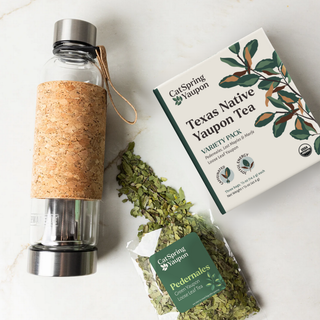
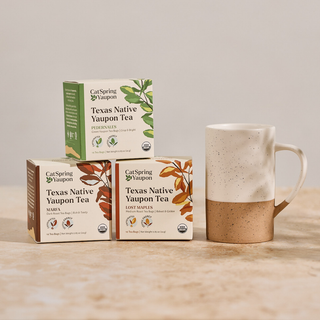
Try our CatSpring Yaupon herbal teas to support your wellness routine. Organic, non-GMO, kosher, sustainably grown, and naturally caffeinated.

2. Turmeric Tea
Turmeric has long been used in India in various dishes and is known for its distinctive yellow color, which is caused by curcumin.
Research from the National Institutes of Health is exploring the effects of curcumin in turmeric tea, which may have antioxidant, anti-inflammatory, and antidiabetic properties. Turmeric also has a soothing effect on the nervous system, which can help relieve stress and anxiety, making it a comforting part of a daily health routine.
Benefits:
- Anti-inflammatory properties that may support tissue comfort throughout the body and even improve skin appearance.
- Stimulate blood flow to help flush out more toxins and support recovery.
- Antioxidant activity that contributes to its reputation as a wellness staple.
Side Effects:
- Potential liver issues due to drinking too much curcumin (a lot more than a cup or two of turmeric tea).
3. Ginger Tea
Ginger tea has been used for thousands of years as a warming, comforting herbal option. A caffeine-free choice, ginger is high in antioxidants and can support your wellness routine as you move through your day. It is a natural herbal tea to reach for when you want something grounding, whether that is first thing in the morning or during the afternoon.

Benefits:
- Rich in antioxidants that may help protect your body from oxidative stress and free radicals, while also offering comfort during cold and flu season when you reach for something warm.
- Warming and grounding with a strong, distinctive flavor that wakes up your senses.
- Supports an active routine as a nourishing caffeine-free option throughout the day.
Side Effects:
- Makes heartburn worse because it relaxes the muscle that prevents stomach bile from entering the esophagus.
4. Licorice Tea
Licorice root has a long history of usage across Asia and Europe, even dating back to the pharaohs of Ancient Egypt.
Made from the root of the licorice plant, it has traditionally been used to support digestive comfort and soothe the throat, and other herbal medicine sources.
Licorice root tea is enjoyed today as a warming herbal option that may offer gentle support as part of a broader wellness routine.
Benefits:
- Soothe your throat as licorice root has a long traditional history of use for throat comfort and may support the production of mucus that helps coat and protect.
- A warming herbal cup with mild properties noted in traditional use.
- Hydrate your throat by helping wash away debris.
Side Effects:
- This tea can elevate your blood pressure, so be sure to drink it in moderation. NIH sources note that large amounts of licorice can cause sodium retention and elevated blood pressure.
5. Peppermint Tea
Peppermint tea has a signature minty flavor from its easy brewing using mint leaves. This menthol-based flavor can help create a cooling sensation and increase the perceived sense of open, easier breathing.
There is also research from UPenn that suggests it can help address germs that cause dental plaque, helping protect your teeth. A refreshing herbal tea, it is a pleasant option when seasons change and you want something soothing.

Benefits:
- Support your wellness routine thanks to antimicrobial and antiviral properties that make it a dependable herbal tea choice.
- Ease headaches as peppermint is a natural muscle relaxant, while menthol increases blood flow and creates a cooling sensation.
- Decrease the perceived nasal congestion, largely due to menthol vapors that increase the perception of airflow, easing discomfort.
Side Effects:
- Can worsen acid reflux by relaxing the muscles around the stomach sphincter.
6. Chamomile Tea
Chamomile is primarily brewed from one of two daisy-like species of flower and is commonly known for its stress-relieving properties. It has long been part of herbal wellness traditions, and many of its health benefits are still actively being studied.
One area of interest is supporting a healthy heart through the compound flavones, which NIH-indexed research has studied for potential effects on blood pressure and cholesterol.
Benefits:
- May have antibacterial properties that can help support your immunity as part of a daily health habit.
- Get stress relief due to the powerhouse compound apigenin, which may also relieve discomfort, including nausea, headaches, and fatigue.
- Sleep easier thanks again to apigenin, which binds to GABA receptors in your brain and releases signals that have a calming and relaxing effect.
Side Effects:
- Potential drowsiness that may worsen fatigue.
7. Hibiscus Tea
Hibiscus tea is made from steeping parts of the hibiscus plant in hot water. It creates a distinctive, beautifully vibrant, fuchsia-colored brew.
Often, the brew has a cranberry-like profile, with a slight sweetness and a bit of bitterness, and can be enjoyed hot or cold.
Research from the National Institutes of Health has shown that hibiscus tea may increase antioxidant activity, though these results are still being studied in humans.
Benefits:
- Brew with ease and complement its sweet undertones with a favorite sweetener such as honey.
- Rich in antioxidants, including vitamin C and beta-carotene, that support your wellness routine and help combat oxidative stress.
- Potential digestive comfort noted in some traditional uses, though current research is still exploring these properties in humans.
Side Effects:
- May interact with medicines like acetaminophen if consumed in very large quantities.
A Note on Green Tea and Black Tea
Green tea and black tea are two of the most widely consumed beverages in the world, and both carry their own set of antioxidant properties that many people include as part of a daily health routine.
Green tea is high in catechins, and black tea contains theaflavins, both of which contribute to their respective reputations for health benefits. If you already enjoy green or black tea as part of your routine, there is good reason to keep them in the mix.
Teas Worth Trying When Seasons Change
Some of the most popular herbal teas during cold and flu season are also among the most accessible.
If you want to explore teas that pair well with an immune-supportive routine, The 7 Best Teas for Allergies is a helpful companion read for seasonal wellness.
For those newer to tea, The 6 Best Teas for Beginners lays out the gentlest starting points across the full spectrum of options.
A Daily Cup, Not a Winter Rescue
The teas on this list do their best work when they are part of a steady habit, not something you reach for only when you are already run down. A few thoughts on building that rhythm, from the folks who grow and roast yaupon in Cat Spring, Texas:
-
Consistency beats intensity. One warm cup a day, most days of the week, does more for you than three cups for a single stretch in December. The same is true of sleep, hydration, and the other basics that actually carry your health through the cold months. Tea supports all of that. It does not replace it.
-
Start your morning with gentle caffeine. Yaupon is a good early-day choice. The caffeine and theobromine work together for a steady, joyful lift with no jitters and no crash, and it is impossible to over-steep, so your morning routine stays simple even when it is rushed.
-
Shift to caffeine-free in the evening. Chamomile and hibiscus are natural fits for the second half of your day. Chamomile is calming. Hibiscus brews a deep, vibrant cup that is rich in antioxidants and pleasant either warm or over ice.
-
Brew warm, not scalding. Water just off the boil is the sweet spot for most herbal teas. Extremely hot water can dull the more delicate plant compounds, and, practically speaking, a cup you cannot drink right away does not fit into a real daily habit.
Your Wellness Routine Starts Here
The teas on this list each bring something grounding to a daily routine. Not a cure, not a treatment. Just a warm, thoughtful cup that fits into the rhythm of taking care of yourself.
Yaupon, grown wild in the sandy-loam soil of Texas, is a naturally smooth place to start. Wild-harvested and regeneratively grown, CatSpring Yaupon delivers steady joyful energy, polyphenols, and antioxidants with no jitters and no bitterness. It is America's only native caffeine, and it brews beautifully every time.
The land has been offering this plant for centuries. Now is a good time to reach for it.
Medical Disclaimer: This article is for informational purposes only and shouldn't be taken as medical advice. If you have serious health-related issues you should reach out to a medical professional. While we have reviewed the available scientific research, this is not intended to diagnose, treat, cure, or prevent any disease.


