

Allergy season has a way of arriving uninvited. One morning you wake up and the air feels thicker, your throat scratchy, your sinuses staging a quiet revolt. Whether you deal with seasonal changes every spring or carry the discomfort year-round, a warm cup of the right herbal tea can be a genuinely comforting companion.
Some teas bring soothing warmth to an irritated throat. Others carry natural compounds that have been studied in connection with inflammation and the histamine response that come with hay fever and seasonal allergies. None of them replace a doctor's care, but reaching for a good cup is one of the gentler, more grounding routines you can build into a rough allergy day.
What is the Best Tea for Allergy Season?

1. Yaupon Tea
Yaupon is one of the most interesting teas to reach for during allergy season, and it's the only naturally caffeinated plant native to North America, per the National Park Service. It has unique properties that traditional teas lack. One of these is rutin, a compound also found in apples and lemons.
Yaupon has 4 times the amount of rutin found in its popular cousin plant, guayusa, and you can read more in our deep dive on yaupon's secret powerhouse, rutin.
Rutin is a compound studied in connection with the histamine response, which plays a major role in allergic reactions, making yaupon a soothing companion during allergy season.
Benefits:
- Supports throat comfort with rutin, which has been studied for its potential to improve blood vessel flexibility and may help soothe a sore throat.
- Antioxidant support from chlorogenic acid (CGA), a compound studied for its calming effect on inflammation.
- A boost for your immune system from antioxidant activity that helps neutralize free radicals in your body.
Side Effects:
- May cause sleeplessness due to caffeine if large amounts of yaupon are consumed all at once.
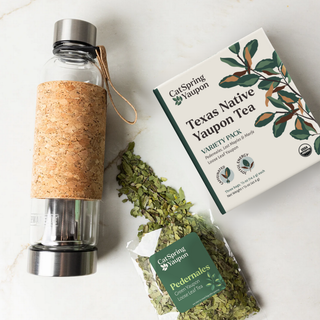
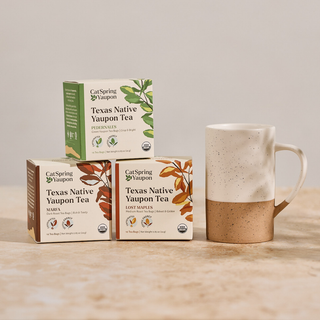
Try our CatSpring Yaupon tea as a soothing seasonal companion. It's organic, non-GMO, kosher, sustainably grown, and naturally caffeinated. You can also explore the real benefits of yaupon tea in more detail.

2. Ginger Tea
Ginger tea is a warm, grounding option for allergy season, and it has been used for thousands of years to soothe nasal drainage. The active compounds in ginger have documented anti-inflammatory properties, making it an easy cup to keep on hand when seasonal discomfort settles in.
Benefits:
- Naturally anti-inflammatory because it contains compounds studied for their calming effect on inflammation.
- Made with fresh ginger root, which packs a punch in warming, comforting flavor.
Side Effects:
- Makes heartburn worse because it relaxes the muscle that prevents stomach bile from entering the esophagus.
3. Licorice Tea
Licorice root is worth a place in your allergy season rotation. It has a long history of traditional use across Asia, Europe, and the ancient world.
According to the NIH's National Center for Complementary and Integrative Health, licorice root has been used in traditional medicine across many cultures to soothe the throat, ease respiratory discomfort, and calm inflammation.
This herbal tea has become a popular comfort option during allergy season thanks to those same properties.
Benefits:
- Soothe your throat as licorice root can increase the production of new mucus that helps clear congestion and provide a throat coat.
- Supports your immune system with its antimicrobial properties.
- Hydrate your throat by washing away any debris and clearing your vocal cords.
Side Effects:
- This tea can elevate your blood pressure, so be sure to drink it in moderation.

4. Chamomile Tea
Chamomile tea is one of the most widely recognized herbal teas for soothing seasonal discomfort. It contains compounds studied for their roles in inflammation and the histamine response, and it eases the scratchy, irritated feeling that comes with hay fever. Its gentle, floral taste makes it an easy cup to build into evenings when allergy symptoms flare.
Benefits:
- Soothe irritated tissues with chamomile's natural properties, which have been studied in connection with the histamine response associated with allergic reactions.
- Caffeine free, making it an especially calming option at night when seasonal allergy symptoms can make rest difficult.
- A mild, pleasant flavor that pairs well with honey for added throat comfort.
Side Effects:
- Chamomile belongs to the same plant family as ragweed. According to NIH's NCCIH, people with ragweed or daisy family allergies are more likely to experience reactions to chamomile, so introduce it carefully if that applies to you.
5. Green Tea
Green tea is a straightforward, well-studied option for allergy season. Made from the traditional tea plant Camellia sinensis and left unoxidized, it delivers a clean, grassy cup that is full of antioxidants.
Like yaupon, it contains natural caffeine and can be a comforting companion when you want a gentle lift alongside your allergy-relief routine.
Benefits:
- Protect your cells with the polyphenols and catechins from green tea that help neutralize free radicals that can damage your cells.
- Ease inflammation with antioxidants that help protect your healthy cells during seasonal flare-ups.
Side Effects:
- May cause sleeplessness due to caffeine when consumed in large amounts all at once.
6. Turmeric Tea
Turmeric has long been used in India in various dishes and is known quite well for its distinctive yellow color caused by curcumin.
Research from the National Institutes of Health continues to explore curcumin's effects, which may include antioxidant and anti-inflammatory properties. Peppery with a hint of ginger, this tea is tasty and comforting during allergy season.
Benefits:
- No caffeine makes this a great bedtime option.
- Anti-inflammatory properties of turmeric have been widely studied throughout the body.
- Stimulate blood flow to support your body's natural recovery process.
Side Effects:
- When consumed in high doses, turmeric tea can upset some people's stomachs.

7. Peppermint Tea
Peppermint tea is worth keeping on hand during hay fever season. Its signature menthol character can help clear your sinuses and make it easier to breathe, while also instantly freshening your breath. The cooling quality makes it a refreshing choice for those looking to feel a little more at ease during allergy season.
Benefits:
- Cooling and refreshing as peppermint is a natural muscle relaxant while the menthol creates a cooling sensation.
- Eases the feeling of nasal congestion in large part due to the vapors that increase the perception of airflow.
- Easy to complement the flavor with ginger, honey, or fruits to find a delicious cup for anytime.
Side Effects:
- Peppermint may worsen acid reflux for some people. NIH's NCCIH notes that peppermint can cause heartburn as a side effect, particularly in those who are already prone to reflux.
8. Rooibos Tea
Rooibos is a caffeine-free option that holds its own during allergy season. Originating in Africa and now popular worldwide, it has an earthy flavor that can be similar to yerba mate. Your brew is less likely to be bitter because rooibos has fewer tannins than other teas.
Just like yaupon tea, rooibos contains rutin, a compound studied in relation to the histamine response, which plays a major role in allergic reactions.
Benefits:
- Caffeine-free, making this a great option for those who reach for a warm cup at night.
- Full of antioxidants that help neutralize free radicals and protect your cells from damage.
- Contains vitamin C, which helps boost your immune system.
Side Effects:
- Enjoy rooibos in reasonable amounts. While rare, a small number of published case reports have noted a possible connection between heavy rooibos consumption and liver stress, so talk to your doctor if you have existing liver concerns.
A Good Cup for a Hard Season
Allergy season is never entirely comfortable, but a warm cup can soften some of its edges. Whether you reach for the steady, wildly smooth lift of yaupon, the cooling character of peppermint tea, or the floral calm of chamomile tea, the right herbal companion can make a rough day feel a little more manageable.
If you want to try a tea grown right here in Texas, explore our organic yaupon tea collection.
Medical Disclaimer: This article is for informational purposes only and shouldn't be taken as medical advice. If you have serious health-related issues you should reach out to a medical professional. While we have reviewed the available scientific research, this is not intended to diagnose, treat, cure, or prevent any disease.


