

That heavy, stuffy feeling has a way of making everything smaller. The pressure behind your eyes, the scratchy throat, the nose that turns even a good night's sleep into work.
A warm cup of tea will not fix all of that, but it has been one of the most reliable forms of comfort across centuries of cold and flu seasons. Steady, simple, and honest.
The herbal teas and naturally caffeinated options below have been companions during illness for a long time. Some offer warmth and hydration.
Others bring botanicals with anti-inflammatory properties that may ease the discomfort of congestion, cough, and sore throat. All of them are worth knowing.
What is the Best Tea for Congestion?

1. Yaupon Tea
Yaupon is the only naturally caffeinated plant native to North America, per the National Park Service. It has unique properties that traditional teas lack. One of these benefits is rutin, which is also found in apples and lemons.
Rutin is an anti-inflammatory compound, and yaupon is notably rich in it compared to many other plants. This compound can help provide natural comfort during congestion, making it a standout among herbal teas for cold and flu season.
Benefits:
- Enhance blood circulation in your throat with the help of rutin which can help strengthen and improve flexibility of blood vessels, and help soothe a sore throat.
- Decreased chronic inflammation via chlorogenic acid (CGA), which has anti-inflammatory properties, reducing painful nasal swelling.
- A boost for your immune system from antioxidant activity that removes free radicals in your body.
Side Effects:
- May cause sleeplessness due to caffeine if large amounts of yaupon are consumed all at once.
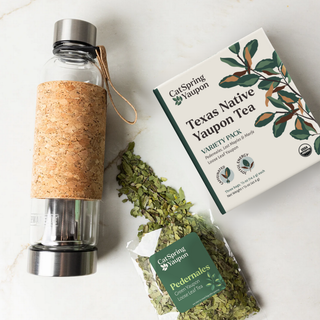
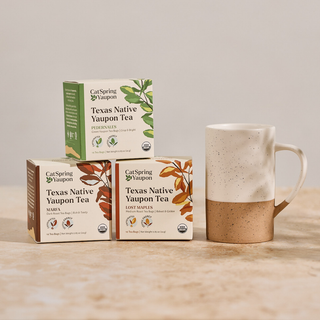
Try our CatSpring Yaupon tea to ease congestion comfort. It's organic, non-GMO, kosher, sustainably grown, and naturally caffeinated.
For more options when you're under the weather, see the best teas for a stuffy nose, cold, or cough.

2. Peppermint Tea
Peppermint tea has a signature minty flavor due to its easy brewing using mint leaves. This menthol-based flavor can help clear your sinuses and make it easier to breathe while also instantly freshening your breath.
There is also research suggesting it can kill germs that cause dental plaque, helping protect your teeth, per UPenn. A refreshing warm glass that has a cooling effect, this is a comforting option for those looking to ease congestion.
Benefits:
- Ease headaches as peppermint is a natural muscle relaxant, while the menthol increases blood flow, which creates a cooling sensation.
- Decrease nasal congestion in large part due to the vapors that increase the perception of airflow, easing congestion pain and discomfort.
- Settle your stomach by relaxing the muscles of your intestinal walls.
Side Effects:
- Can worsen acid reflux by relaxing the muscles around the stomach sphincter.
3. Ginger Tea
Ginger tea has been used for thousands of years and is still great for relieving nasal congestion. A slightly spicy drink, it helps relax nasal muscles and soothe inflammation.
Traditional herbal monographs from multiple health authorities recognize ginger as a comfort herb for cold and flu symptoms, according to research from the National Institutes of Health.
As a rule of thumb, one cup of ginger tea contains about 250 milligrams of ginger per the National Institutes of Health, so aim to drink two to four cups of this herbal tea to help ease congestion symptoms.
Adding a spoonful of honey to your cup brings a little extra comfort and may help soothe a sore throat.
Benefits:
- Reduce inflammation naturally because it contains antioxidative, anti-inflammatory phytochemical compounds such as gingerol, per guidance from the National Institutes of Health.
- Ease nausea and upset stomach with gingerol, which has been shown to calm the stomach.
- Made using fresh ginger root which packs a punch when it comes to soothing discomfort during illness.
Side Effects:
- Makes heartburn worse because it relaxes the muscle that prevents stomach bile from entering the esophagus.

4. Chamomile Tea
Chamomile is primarily brewed from one of two daisy-like species of flower and is commonly known for its calming properties. Its health benefits have long been recognized, with research from the National Institutes of Health continuing to explore its potential.
One benefit is supporting a healthy heart through the compound flavones, which have the potential to lower blood pressure and cholesterol levels. As a warm, gentle herbal tea, chamomile is a soothing companion during a cold or flu.
Benefits:
- Increase calmness and relaxation due to the powerhouse compound apigenin, which can relieve fatigue and support a sense of ease.
- Boost your immune system with antioxidants that protect healthy cells from damaging free radicals.
- Hydrate your throat with its light, earthy, and floral brew that gently goes down your throat.
Side Effects
- Potential drowsiness that may worsen fatigue.
5. Green Tea
Green tea is made from the traditional tea plant Camellia sinensis and has not undergone oxidation like black tea. It has a multitude of health benefits and, similar to Yaupon, it has natural caffeine in it.
Each cup is full of antioxidants which can provide sinus relief and soothe inflammation. Drinking warm green tea is one of the more familiar herbal tea routines people reach for during cold and flu season.
The warmth of the water alone helps loosen mucus and keep you hydrated while your body does the work of recovering.
Benefits:
- Protect your cells with green tea polyphenols and catechins, which reduce free radicals that damage them.
- Ease inflammation by inhaling the aroma and loosening nasal congestion for easier breathing.
- Stay hydrated by enjoying multiple delicious cups throughout the day.
Side Effects:
- May cause sleeplessness due to caffeine if large amounts are consumed all at once.

6. Turmeric Tea
Turmeric has long been used in India in various dishes and is well known for its distinctive yellow color, caused by curcumin.
Research from the National Institutes of Health is determining the effects of curcumin in turmeric tea, finding it may have antioxidant, anti-inflammatory, and antidiabetic properties.
Beyond helping ease some of the physical discomfort of congestion, turmeric has a soothing effect on nerves, which can relieve stress and anxiety.
Curcumin has been found to ease inflammation and help reduce the effects of congestion. Peppery with a taste of ginger, this warm tea is tasty and comforting.
Benefits:
- With its anti-inflammatory properties, turmeric can relieve inflamed tissues throughout the body, including in your nasal passages.
- Stimulate blood flow which helps to flush out toxins and irritants.
- No caffeine makes this a great bedtime option.
Side Effects:
- When consumed in high doses, turmeric tea can hurt some people's stomachs.
7. Licorice Tea
Licorice root has a long history of usage across Asia and Europe, even dating back to the pharaohs of Ancient Egypt. Made from the root of the licorice plant, it has been used to soothe an upset stomach, support respiratory comfort, and decrease inflammation.
Currently, licorice root is used to help relieve congestion symptoms due to its anti-inflammatory properties. It remains one of the more traditional herbs in herbal tea blends for cold-and-flu comfort.
Benefits:
- Soothe your throat as licorice root can increase production of new mucus that helps remove congested mucus and provide a throat coat.
- Boosts your immune system with its antimicrobial properties.
- Hydrate your throat by washing away any debris and clearing your vocal cords.
Side Effects:
- This tea can elevate your blood pressure so be sure to drink it in moderation.
What to Brew When You Need It Most
Congestion does not have to mean white-knuckling your way through the day. A warm cup of the right tea, brewed slowly and sipped with a little patience, is one of the gentler ways to find some comfort.
These herbal teas have centuries of use behind them, and most are easy to find, simple to brew, and kind on the body.If seasonal allergies play a role in your congestion, the 7 best teas for allergies is worth a read alongside this one.
At CatSpring Yaupon, we believe a good cup of tea is steady, grounded, and honest. Yaupon is wild-harvested in Texas, naturally caffeinated, and wildly smooth. When the stuffiness sets in, it is a place to start.
Explore our hand-roasted yaupon collection and find the one that fits your routine.
Medical Disclaimer: This article is for informational purposes only and shouldn't be taken as medical advice. If you have serious health-related issues you should reach out to a medical professional. While we have reviewed the available scientific research, this is not intended to diagnose, treat, cure, or prevent any disease.


